%20copy.jpg?width=2000&height=2000&name=Wouter-Kuiper-CEO-KUBO2-(2)%20copy.jpg)
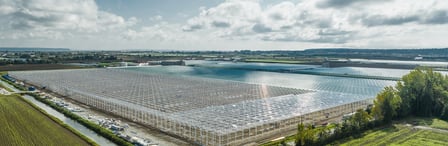
The global demand for high-tech greenhouses is on the rise due to climate change, water shortages and growing attention to food security concerns. At the same time, the sector can only truly scale up when the technology is simplified and investment risks are reduced, said Wouter Kuiper, CEO of NPM participation KUBO Group, a Dutch developer of high-tech greenhouse projects.
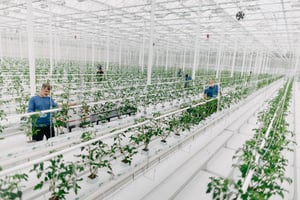
Agriculture is increasingly shifting to controlled growing environments, Kuiper stated in an interview with the British business website Investment Reports. Stricter environmental regulations, water scarcity and changing weather conditions are making outdoor cultivation less predictable. Demand for greenhouses is increasing, particularly in regions such as the Middle East, Europe and Canada. The largest market is fruit and vegetable production, particularly tomatoes, bell peppers and cucumbers.
A key condition for further growth is reducing dependence on specialist knowledge, according to Kuiper. To help achieve this, KUBO is investing in sensors, data, and algorithms to better predict and control cultivation processes. Using software and artificial intelligence, yields can be predicted more accurately and energy and cost risks can be better managed. This should make it more attractive for investors to invest in high-tech greenhouse horticulture.
The company is also seeing technological progress in the area of sustainability. Modern greenhouses can increasingly be heated with residual heat, for example from data centers, and in some cases, use CO₂ from outside air instead of external supply. According to Kuiper, these kinds of innovations make it possible to further reduce CO₂ emissions from food production and make cultivation more efficient and predictable.
Source: Investment Reports